Hillingdon Council rules for graveside flowers and placements
Posted on 14/10/2026
Hillingdon Council rules for graveside flowers and placements: what you need to know before visiting a grave
If you are planning to leave flowers at a loved one's grave, the last thing you want is uncertainty. Hillingdon Council rules for graveside flowers and placements can affect what you bring, where you leave it, and how long it can stay there. That sounds simple enough, but in practice it often raises awkward questions: Can you use a vase? Are loose stems allowed? What about seasonal tributes, memorial items, or funeral flowers left after the service?
This guide walks you through the practical side of graveside flower placement in Hillingdon, with a focus on respectful, sensible choices. We will cover how council-managed cemeteries usually work, what families tend to get wrong, and how to avoid trouble on the day. If you are arranging a memorial visit after a service, or simply want to keep a grave neat and cared for, this should help you feel more confident. Truth be told, a small bit of preparation saves a lot of stress.
For families who are also arranging funeral tributes or sympathy flowers, it can help to look at the wider options too, such as funeral flowers in Hillingdon and the more formal styles used for graveside remembrance.
Table of Contents
- Why Hillingdon Council rules for graveside flowers and placements Matters
- How Hillingdon Council rules for graveside flowers and placements Works
- Key Benefits and Practical Advantages
- Who This Is For and When It Makes Sense
- Step-by-Step Guidance
- Expert Tips for Better Results
- Common Mistakes to Avoid
- Tools, Resources and Recommendations
- Law, Compliance, Standards, or Best Practice
- Options, Methods, or Comparison Table
- Case Study or Real-World Example
- Practical Checklist
- Conclusion
- Frequently Asked Questions
Why Hillingdon Council rules for graveside flowers and placements Matters
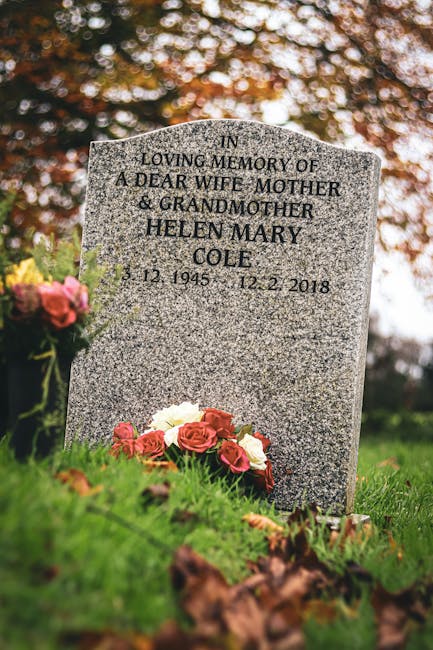
Graveside flowers are more than decoration. They are part of how many families express care, remembrance, and continuity. In a council-managed cemetery, though, that personal gesture has to fit within rules that keep the grounds tidy, safe, and fair for everyone else visiting.
That is really the heart of the matter. A cemetery is a shared space. One family may prefer a simple posy, another may bring a wreath, and someone else might place a vase, ribbon, or small memorial token. Without guidance, things can quickly become cluttered or inconsistent. A windy day can scatter petals across a path, a low arrangement can block maintenance access, and a heavy container may not be suitable in a grassed area. Small things, yes, but they matter.
There is also the emotional side. People usually visit graves at meaningful times: a birthday, an anniversary, a holiday, or a quiet Sunday afternoon when the site is nearly silent except for birds, traffic in the distance, and the sound of gravel underfoot. If you arrive with flowers that do not comply, it can be upsetting and awkward. Better to know before you go.
In practical terms, these rules help preserve dignity. They also reduce conflict. No one wants a memorial item removed because it was placed in the wrong spot or left too long. And, to be fair, most families are simply trying to do the right thing. The issue is usually not intent; it is the detail.
Expert summary: The safest approach is to choose tidy, stable, and temporary tributes that sit neatly within the grave space, avoid obstructing maintenance, and follow any cemetery-specific notices or staff guidance.
How Hillingdon Council rules for graveside flowers and placements Works
While exact cemetery instructions can vary by location and section, the general pattern is usually straightforward. Hillingdon Council typically manages memorial areas with a view to keeping graves accessible, visually respectful, and easy to maintain. That means there are often expectations around size, placement, and duration, even where the rules are not loudly advertised.
Here is how it usually works in practice:
- Flowers are placed within or immediately around the grave space, not across paths, grass cutting routes, or neighbouring plots.
- Loose stems, wreaths, posies, and small arrangements are generally easier to manage than bulky displays.
- Containers may need to be safe, stable, and suitable for the cemetery environment.
- Items left at gravesides may be removed after a period if they become faded, damaged, or obstructive.
- Temporary memorials can be treated differently from permanent memorial accessories.
That last point catches people out. A bouquet that looks lovely on day one can become a problem after a week of rain, frost, or heat. Flowers wilt, ribbons sag, and cellophane blows about. If you have ever seen a cemetery after a stormy night in west London, you will know exactly what that means. A tidy tribute can become a mess fast.
In many cases, it helps to think in terms of three layers:
- Placement: Where the flowers sit in relation to the grave and surrounding space.
- Presentation: How neat, safe, and stable the arrangement is.
- Duration: How long the tribute is likely to stay before it needs refreshing or removal.
If you are sending flowers specifically for remembrance, a dedicated sympathy or tribute arrangement often works better than an everyday bouquet. Options such as sympathy flowers or more structured styles like wreaths are usually designed with funerals and memorial settings in mind.
Key Benefits and Practical Advantages
Following the right graveside flower guidance is not just about staying within the rules. There are some clear practical advantages too.
- Less risk of removal: Tidy, appropriate arrangements are less likely to be moved by cemetery staff.
- Better respect for the site: Neat placements preserve the calm and dignity of the cemetery.
- Safer for visitors: Flowers that stay within boundaries do not create trip hazards or block access.
- Easier maintenance: Staff can carry out grass cutting and general upkeep without working around awkward objects.
- More durable tributes: The right container or arrangement can cope better with wind and rain.
- Less stress for families: You can focus on the visit itself rather than worrying whether you have done something wrong.
There is also a subtler benefit: a well-chosen tribute often looks more loving, not less. A small, thoughtful arrangement can feel more personal than an oversized display that spills into the path. Sometimes restraint says more. That may sound slightly old-fashioned, but it is true.
If you are deciding between styles, a simple bouquet, a compact basket, or a funeral posy usually sits more comfortably in a graveside setting than a sprawling display. For that reason, families often choose designs from the tributes range or the more compact baskets and posies collection.
Who This Is For and When It Makes Sense
This guidance is useful for quite a few people, not just one type of visitor.
- Families visiting a grave regularly: Especially if you want a routine that is easy to repeat without hassle.
- People attending the grave after a funeral: Funeral flowers are often moved or redistributed later, so placements matter.
- Visitors marking anniversaries: These are usually the times when families want something especially meaningful, and that can lead to overdoing it a bit.
- Carers or relatives arranging on behalf of others: You may be leaving flowers for someone who cannot attend in person.
- Local florists and funeral arrangers: Helpful to know if you are creating cemetery-appropriate work for a client.
It also makes sense if you are balancing emotion and practicality. Let's face it, grief does not make anyone think clearly about flower sizes or vase bases. People are trying to do something kind, often in a hurry. So if this is you, no judgement at all. The aim is simply to help you avoid the common missteps.
Families who want something suitable for a graveside visit may find it useful to browse funeral flowers or a calmer option like sympathy arrangements, especially when they want something tasteful and not too elaborate.
Step-by-Step Guidance
If you want the simplest possible approach, follow this sequence before visiting a grave in a Hillingdon-managed cemetery.
1. Check the cemetery section first
Different sections may have different expectations. Lawn cemeteries, older burial sections, and memorial areas can all work a little differently. If you are unsure, look for signs at the site or ask the cemetery office before bringing anything bulky.
2. Choose a stable flower type
Loose bouquets can work, but they should be kept neat and manageable. Compact arrangements, posies, sprays, and small baskets are usually easier to place securely. If the weather is blustery, and in west London it often is just enough to be annoying, choose something that will not topple or unravel easily.
3. Keep the footprint modest
The arrangement should fit within the grave space without spreading onto adjoining ground. If it would need to be tucked, squeezed, or balanced awkwardly, it is probably too large. A clean fit always looks better anyway.
4. Use appropriate containers or bases
If you are using a vase, container, or floral foam base, make sure it is stable and not likely to tip. Avoid brittle or sharp materials. Anything that can break in cold weather should be treated carefully.
5. Place the tribute neatly
Set the flowers in a way that does not block the inscription, edge, or maintenance access. If the grave has a headstone and surrounding edging, make sure the arrangement sits where it can be seen without crowding the memorial.
6. Think about weather and timing
On a warm afternoon, flowers may need water sooner. In colder months, delicate blooms can be affected by frost. If you are going on a weekend before a significant date, expect the site to be busier and plan a little extra time.
7. Remove or refresh when needed
Do not leave exhausted flowers in place forever. If they begin to wilt, look untidy, or shed debris, refresh them or remove them. This is one of those small acts of care that really does matter.
For people ordering ahead, a same-day or next-day delivery can be useful if the visit is time-sensitive. The options at same-day flower delivery in Hillingdon or next-day flower delivery may help when you need the tribute to arrive close to the day of remembrance.
Expert Tips for Better Results
There are a few practical tricks that make graveside flowers look more thoughtful and last a little better.
- Use a low, balanced shape: It sits more securely and tends to look more dignified.
- Choose hardy blooms where possible: Carnations, chrysanthemums, lilies, and alstroemeria often hold up well, depending on the season.
- Avoid over-accessorising: Too much ribbon, foil, or decoration can look fussy and can also blow around.
- Match the memorial tone: Soft whites, creams, purples, and gentle mixed arrangements are often suitable for remembrance settings.
- Think about maintenance access: Leave enough space for cemetery staff to keep the area tidy.
- Keep a small pair of secateurs or scissors handy: A surprisingly useful one. Just not while wearing your best coat and juggling a wreath, obviously.
If the tribute is for a funeral or memorial service rather than a routine visit, consider structured arrangements from the remembrance range. For example, sprays, sprays can work well for formal occasions, while letter tributes are sometimes chosen when families want a more personalised statement. The key is that whatever you choose should still fit neatly within the space available.
Another small tip: if you are placing flowers during a particularly emotional visit, keep the arrangement simple. A calm, thoughtful tribute often feels more appropriate than one that is trying too hard.
Common Mistakes to Avoid
This is where most avoidable problems happen. None of these are disastrous, but they can create hassle for you and extra work for staff.
- Using oversized arrangements: Large tributes can encroach on paths, neighbouring plots, or maintenance access.
- Leaving breakable containers: Glass and fragile ceramics can become unsafe if damaged.
- Placing items outside the grave boundary: Even slightly outside can be enough to cause issues.
- Assuming all decorations are allowed: What seems harmless may not be suitable in a shared cemetery setting.
- Leaving faded flowers too long: Old flowers can look neglected and may be removed.
- Forgetting about wind and rain: A neat display in the morning can look very different by the afternoon.
- Mixing multiple memorial items without checking space: Flowers, cards, mementos, and vases all compete for room.
A common scenario is the family who brings a beautiful bouquet and a large keepsake ribbon, then adds cards and candles on top. By the end it becomes crowded and unstable. You can almost hear the wind trying to make a point. Less is often more here.
If you are unsure, a restrained design from the florist's memorial range is safer than improvising a display on the day. Something like peaceful wreath style arrangements or a compact compassionate wreath can be more suitable than a broad, loose mix of items.
Tools, Resources and Recommendations
You do not need much to do this well, but a few practical items help.
- Measuring tape or visual check: Useful if you are unsure how much room the grave space actually offers.
- Water container: Handy for fresh flowers, especially in warmer months.
- Floral scissors or secateurs: Good for trimming stems cleanly before placement.
- Stable vase or container: If permitted and appropriate for the site.
- Simple wrapping or carrier: Helps protect the arrangement on the journey.
- Weather awareness: A quick glance at conditions can save a lot of damage.
For flower selection, the most practical memorial arrangements are often those built to hold shape and structure. If you need inspiration, browse styles such as white roses service arrangement, in loving memory wreath, or deepest condolences wreath. Those pieces are designed with formal remembrance in mind, which usually makes them easier to adapt for graveside use.
On the practical side, ordering from a local florist can help because the flowers arrive fresher and closer to the day you need them. If you are planning a visit around a funeral, anniversary, or seasonal remembrance day, that freshness really shows. You can feel it in the flowers themselves; they sit better, smell cleaner, and hold their shape for longer.
Law, Compliance, Standards, or Best Practice
This topic is usually less about strict legal drama and more about local cemetery rules, maintenance practice, and respect for shared space. In other words, the important thing is not trying to outsmart the rules. It is understanding the normal standards that apply in a council-managed burial ground.
Best practice usually includes:
- keeping tributes within the grave space or permitted memorial area;
- using items that are safe and easy to maintain around;
- avoiding anything that could become a hazard or nuisance;
- removing damaged, faded, or weathered flowers in good time;
- checking any on-site notices before placing memorial items.
It is also wise to remember that different cemeteries, and sometimes different sections within the same cemetery, can have different expectations. What is accepted in one area may not be accepted in another. So if you have a family grave, or if you are visiting a new burial site for the first time, do not assume the same practice applies everywhere.
From a practical compliance angle, the safest mindset is simple: if an item is likely to obstruct maintenance, create litter, or look untidy quickly, it may not be a good fit. That rule of thumb is surprisingly useful. Not very glamorous, but useful.
Options, Methods, or Comparison Table
Here is a simple comparison of common graveside flower options and how they tend to work in a council cemetery setting.
| Option | Best for | Advantages | Watch-outs |
|---|---|---|---|
| Loose bouquet | Simple visits, short stays | Easy to source, familiar, personal | Can spread out or wilt quickly |
| Posy or small basket | Compact memorial placement | Neat, stable, easy to set down | May need refreshing in warm or wet weather |
| Wreath | Formal remembrance, funerals | Structured, respectful, often long-lasting | Needs enough space and should not block access |
| Spray | Graveside tributes and services | Classic memorial shape, tidy presentation | Can be too large if the grave area is limited |
| Container arrangement | Repeated visits, regular maintenance | Stable and practical | Container must be suitable and safe |
If you are unsure which style fits best, choose the option that is easiest to keep neat in changing weather. That simple decision prevents most issues. Families often think about what looks most beautiful in the moment, which is understandable, but at the graveside, staying tidy often matters more than being elaborate.
Case Study or Real-World Example
Here is a very typical example from a family visiting a grave in Hillingdon on a damp autumn morning. They arrived with a large mixed bouquet, a ceramic vase, and a small ribboned card. At first glance it looked lovely. But the grave space was narrow, the grass was wet, and there was barely enough room to set everything down without edging onto the neighbouring plot.
Instead of forcing it, they trimmed the bouquet, removed some packaging, and placed the flowers in a lower, tighter shape. The card was tucked into the arrangement rather than laid flat across the stone. The result was calmer, neater, and much more appropriate for the space. Nothing dramatic, just better judgement on the day.
That is the real lesson. Graveside flower rules are not usually there to stop families showing care. They are there to help that care land properly. Once you see it that way, the guidance feels less restrictive and more considerate.
Practical Checklist
Use this quick checklist before you set off.
- Have I checked the cemetery section or any visible site notices?
- Is my arrangement compact enough for the space?
- Will the flowers stay stable in wind or rain?
- Have I avoided fragile or sharp containers?
- Will the tribute stay within the grave boundary?
- Is it easy to remove or refresh later if needed?
- Have I chosen flowers suitable for a memorial setting?
- Do I know whether this is a short-term or longer-term placement?
- Have I kept the display simple enough to maintain?
- Am I prepared to remove any wilted flowers afterwards?
If you can tick those off, you are in a very good place. Not perfect, maybe. But practical, respectful, and likely to avoid trouble.
For families arranging flowers in advance, it can also help to choose items that already suit memorial use, such as sympathy florist choice arrangements or a more classic tribute like eternal light wreath.
Conclusion
Hillingdon Council rules for graveside flowers and placements are really about balance: personal remembrance on one side, shared space and cemetery care on the other. When you keep the tribute neat, stable, and appropriately sized, you are far less likely to run into problems and far more likely to create a fitting memorial.
That is the quiet truth of it. A grave does not need to be overloaded to feel loved. Often, the most respectful choice is the simplest one, chosen with care and placed thoughtfully. If you take nothing else from this guide, let it be this: check the space, keep it tidy, and refresh it when needed. Small kindnesses matter.
If you are planning a visit soon and want flowers that suit a memorial setting, a local florist can help you choose something appropriate for the occasion and the space.
Get a free quote today and see how much you can save.
Frequently Asked Questions
What are the basic Hillingdon Council rules for graveside flowers and placements?
The basic idea is that flowers should be placed neatly within the grave space or permitted memorial area, without blocking access or creating a hazard. Exact rules can vary by cemetery section, so site notices and local guidance matter.
Can I leave flowers at a grave all year round?
Usually not without some maintenance. Flowers fade, and cemetery staff may remove items that become untidy, damaged, or obstructive. Freshening them regularly is the safest approach.
Are vases allowed on graves in Hillingdon cemeteries?
Sometimes, but it depends on the site and the type of grave space. The vase should be stable, safe, and suitable for the cemetery environment. If in doubt, check before placing it.
What kind of flowers are best for a graveside visit?
Compact, durable flowers tend to work well. Carnations, chrysanthemums, lilies, and alstroemeria are commonly chosen because they usually hold up better than very delicate blooms.
Can I place candles or ornaments with graveside flowers?
Not automatically. Decorative items may be restricted if they create litter, block maintenance, or pose a safety issue. Keep memorial items simple unless you know they are allowed.
Do funeral flowers count as graveside flowers too?
They often do, especially if the family intends to place them at the grave after the service. Funeral tributes like sprays and wreaths are commonly adapted for graveside remembrance.
How long do flowers usually stay on a grave before they are removed?
There is no one-size-fits-all answer. It depends on weather, the condition of the flowers, and local cemetery practice. Once they fade or become messy, they should be refreshed or removed.
What is the safest flower arrangement for a windy day?
A low, compact arrangement in a stable container or a tightly structured tribute is usually safest. Loose wrapping and tall, top-heavy displays are more likely to move about in the wind.
Can I leave cards or notes with graveside flowers?
Yes, many families do, but they should be secured so they do not blow away or become litter. A small note tucked into the arrangement usually works better than a loose card.
What happens if my flowers are not in the right place?
They may be moved or removed by cemetery staff if they obstruct maintenance or do not fit site guidance. It is best to check placement before leaving the site, rather than assuming it is fine.
Are sympathy flowers a good option for grave visits?
Yes, sympathy flowers are often one of the most suitable choices because they are designed with remembrance and condolence in mind. They tend to look more appropriate than casual everyday bouquets.
Should I choose a wreath, spray, or bouquet for a grave?
If you want a formal memorial look, a wreath or spray can be a strong choice. If the grave space is smaller, a compact bouquet or posy may be easier to manage. Space and timing usually decide it.
Who should I contact if I am unsure about a graveside placement?
The safest route is to contact the cemetery office or check local site guidance before placing anything. A quick question in advance can prevent a lot of stress on the day.