Funeral flowers Hayes case study before and after
Posted on 28/09/2026
Funeral flowers Hayes case study before and after: a practical guide to choosing with confidence
Choosing funeral flowers is rarely just a shopping task. It usually happens at a difficult moment, when families want something respectful, personal, and properly arranged without fuss. That is why a Funeral flowers Hayes case study before and after can be so useful: it shows what changes when the brief, the wording, the flower choice, and the delivery approach are handled with care. In a place like Hayes, where families often need arrangements that feel local, dignified, and timely, small details matter more than people expect.
This guide walks through what "before and after" really means in a funeral flowers context, how the process works, where the value is, and what to look out for. If you are trying to decide between a wreath, spray, posy, tribute, or basket, you will find practical direction here rather than vague sympathy-speak. Let's keep it simple and useful.
- Why this case study matters
- How the process works
- Key benefits and practical advantages
- Who this is for and when it makes sense
- Step-by-step guidance
- Expert tips for better results
- Common mistakes to avoid
- Tools, resources and recommendations
- Law, compliance, standards, or best practice
- Options, methods, or comparison table
- Case study or real-world example
- Practical checklist
- Frequently asked questions
Why Funeral flowers Hayes case study before and after Matters
A funeral flower order can look straightforward from the outside. Pick a tribute, add a card, send it to the funeral director, job done. But in reality, the difference between "before" and "after" is often the difference between a rushed, uncertain order and one that feels carefully considered. That is the whole point of a funeral flowers Hayes case study before and after: it helps you see the transformation from worry to clarity.
Before, people often feel one or more of the following:
- unsure which flowers are appropriate
- anxious about colour, wording, or symbolism
- worried about delivery timing
- confused about what the funeral director will accept
- concerned about budget, without wanting to look cheap
After a well-managed order, the experience usually feels calmer. The arrangement looks right for the occasion, the tribute reads naturally, and the family does not have to chase details at the last minute. Truth be told, that peace of mind is often what people are really buying.
For Hayes families and nearby customers, local relevance matters too. Funeral flowers are time-sensitive, and the closer the florist is to the delivery area, the easier it is to manage substitutions, timing changes, and practical coordination. A local florist also tends to understand the quiet expectations around sympathy arrangements, which is not nothing.
Expert takeaway: A good funeral flower order is not only about the flowers themselves. It is about timing, tone, suitability, and the emotional relief of knowing the arrangement will arrive as intended.
How Funeral flowers Hayes case study before and after Works
At its core, the process works in three stages: understanding the "before", shaping the arrangement, and checking the "after" against the original intention. That sounds obvious, but in practice it is where a lot of people save themselves trouble.
Before: define the purpose of the tribute
Start by asking what the flowers need to do. Are they for the coffin, the service, the family, or a condolence delivery to the home? A wreath has a different presence from a spray. A posy is softer and smaller. A casket spray is central and usually more formal. Once you know the purpose, the rest gets easier.
During: select style, colour, and message
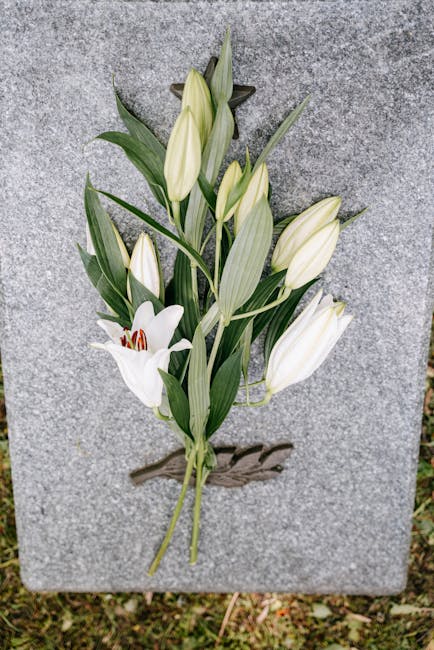
This is where the floral design begins to take shape. White flowers often suggest peace, purity, and simplicity. Lilies, roses, chrysanthemums, carnations, and mixed tributes each create a different feel. In a Hayes context, many people prefer a restrained, elegant look, but there is still room for personality. A tribute can be traditional without being bland. Nobody wants that, frankly.
After: check presentation, delivery, and fit for purpose
The "after" is not just whether the flowers were delivered. It is whether they arrived in good condition, matched the tone requested, and looked appropriate once placed at the venue. If a family asked for a neat white tribute and received something overly bright, the result can feel off. On the other hand, when the arrangement lands exactly as expected, the family can focus on the service itself, which is where their attention should be.
In practical terms, the workflow often looks like this:
- Choose the tribute type.
- Decide on a colour palette or flower family.
- Write the card message.
- Confirm the service time and delivery details.
- Review the finished arrangement or product description carefully.
That final review matters more than people think. A small wording mistake can alter the tone of the whole tribute.
Key Benefits and Practical Advantages
The strongest benefit of a structured before-and-after approach is clarity. But there are several other practical advantages that are easy to overlook when you are in a hurry.
1. Better emotional fit
Flowers should feel appropriate to the person being remembered. A tribute for a parent will often be different from one for a friend, colleague, or grandparent. The right choice can say something gentle without becoming overly elaborate.
2. Fewer mistakes under pressure
Funeral planning tends to compress decision-making. People are tired, distracted, and often working around family arrangements. A clear process reduces the chance of choosing the wrong size, style, or delivery option.
3. Easier budget control
Funeral flowers do not need to be extravagant to be meaningful. A sensible shortlist of options helps you compare value quickly. If you are looking for a more modest arrangement, it is often better to choose something simple and well-made than to stretch the budget and end up regretting the compromise.
4. Better coordination with the funeral director
A local florist familiar with funeral delivery expectations is more likely to get the timing and presentation right. That can save a lot of back-and-forth. And if you have ever tried to sort logistics during a grief-heavy week, you will know why this matters.
5. More personal tribute options
From letter tributes to wreaths, sprays, hearts, crosses, and baskets, the options allow for personal expression while staying respectful. Sometimes the most meaningful choice is the one that looks understated from a distance but feels carefully thought through up close.
| Area | Before | After |
|---|---|---|
| Choice | Too many options, little clarity | Tribute type matched to the service |
| Tone | Unsure what feels respectful | Calm, appropriate, and personal |
| Budget | Fear of overspending or underspending | Cost aligned with priorities |
| Delivery | Uncertainty about timing | Delivered to the right place, on time |
| Confidence | Second-guessing every choice | Clear, settled decision-making |
Who This Is For and When It Makes Sense
This approach is helpful for a few different groups. You may recognise yourself in one of them.
- Immediate family members who need to arrange flowers quickly but still want the tribute to feel personal.
- Friends and colleagues looking for a respectful arrangement that is neither too formal nor too casual.
- Neighbours and local community members who want to send condolences with a sensible delivery plan.
- People ordering from a distance who cannot attend in person and need a reliable local delivery service.
- Anyone comparing styles such as wreaths, sprays, posies, baskets, or letter tributes.
It also makes sense if you are trying to decide between something traditional and something more personalised. For example, a classic white wreath may suit a formal service, while a personalised tribute can work better for a close family member where the message matters as much as the flowers.
When does it make sense to use a before-and-after lens? Usually when the decision feels emotionally loaded, time is short, or the service has a clear ceremonial role. That covers a lot of funeral ordering, to be fair.
Step-by-Step Guidance
If you want a straightforward process, this is the one I would use. Nothing fancy, just a practical path that reduces stress.
Step 1: Identify the role of the flowers
Are they for the casket, the service table, the family, or a home condolence delivery? That first answer narrows down the whole field. A wreath is not the same as a spray, and a sympathy basket is not the same as a coffin tribute.
Step 2: Think about the person being remembered
Ask yourself what feels true to them. Were they formal, understated, colourful, traditional, or practical? A tribute does not need to be a biography in petals, but it should feel recognisably right.
Step 3: Choose the flower style
Popular funeral choices often include white lilies, roses, chrysanthemums, carnations, and mixed soft-toned arrangements. White remains a common choice because it feels calm and respectful. If the family is open to colour, soft pinks, purples, or mixed shades can add warmth without turning the design into something cheerful in the wrong way.
Step 4: Decide on size and format
If the tribute will be seen from a distance at the venue, size matters. If it is being sent privately to the family, a smaller arrangement may be more suitable. This is where many people overbuy, honestly. Bigger is not always better. It just isn't.
Step 5: Write the message carefully
Keep it simple unless you know the family well. "With deepest sympathy" and "Forever in our thoughts" are common for a reason. If you want something more personal, make sure it still reads naturally and does not become awkwardly poetic. We have all seen those card messages that try a bit too hard.
Step 6: Confirm delivery information
Double-check venue name, funeral director details, service time, and any instructions about where arrangements should be placed. Small errors here can create avoidable stress on the day.
Step 7: Review the final selection
Before confirming the order, check the product image, description, size notes, and any substitution guidance. If the florist states that flowers may vary by season, that is normal. The key is that the overall style and tone should stay consistent.
Expert Tips for Better Results
Here are the practical bits that often make the biggest difference.
Match the tribute to the setting
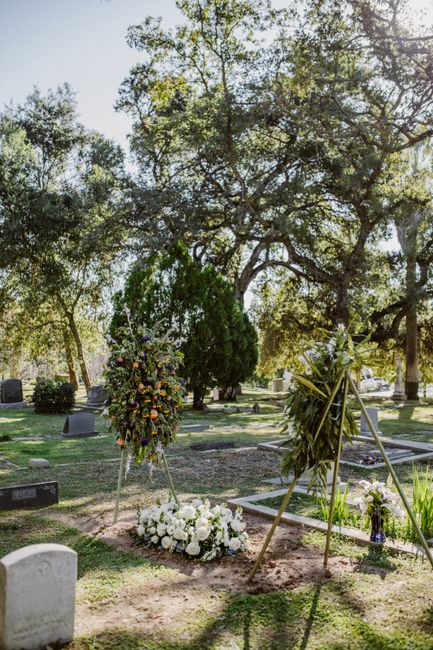
A church service, crematorium service, and home sympathy delivery do not all ask for the same look. A large casket spray can be ideal for the front of a service, while a basket or posy may suit a quieter message of condolence.
Use colour deliberately
White and green arrangements often feel serene and formal. Purple can bring dignity. Soft pinks suggest tenderness. Reds can be powerful, but they are not the first choice for every service. A little restraint tends to age better than a bold decision made in the moment.
Think about floral durability
If the service is later in the day or the weather is warm, choose flowers that travel and hold up well. In UK conditions, that can make a real difference. A fresh-looking tribute at 2 pm is very different from one that has started to droop by the time people arrive.
Keep the wording human
It is easy to overthink the card. Short, sincere messages usually land best. If you are stuck, say what you would say in person if the room were quiet and nobody was rushing you.
Ask about substitutions if needed
Seasonal variation is normal in floristry. A good florist should keep the style intact even if one bloom is unavailable. That is what you want to hear: same feeling, same quality, no drama.
Small but useful rule: if a design relies on one standout flower, check whether the florist can still deliver the intended look if that bloom is unavailable.
Common Mistakes to Avoid
Most problems in funeral flower ordering are avoidable. A few simple checks can spare you an awkward phone call later.
- Choosing by photo only. The picture matters, but the size notes and description matter just as much.
- Ignoring the venue. Some arrangements suit a service better than others.
- Leaving the card message to the last minute. Rushed wording can feel flat or too formal.
- Not checking delivery details. A small address or time error can cause major headaches.
- Picking bright colours without considering tone. Colour can be beautiful, but context matters.
- Assuming every florist uses the same naming system. "Wreath", "spray", "posy", and "tribute" can mean slightly different things depending on the shop.
One of the most common issues, really, is people trying to make the flowers say too much. The better approach is often a little quieter.
Tools, Resources and Recommendations
You do not need specialist software or a long checklist to order funeral flowers well, but a few simple tools help.
Useful things to have to hand
- the full venue name
- the service time
- the funeral director's name, if relevant
- the recipient's preferred wording
- a rough budget
- the relationship you had with the person being remembered
Helpful product categories to compare
For funeral work, it is often worth comparing funeral flower options, wreaths, sprays, tributes, and sympathy flowers. Those categories cover the most common needs without forcing you into one style too quickly.
For a more formal tribute, letter-based designs and personalised memorial pieces can be useful. If you need a quieter option, sympathy baskets or posies often feel gentler and less ceremonial. For a family wanting something distinctive, items such as wreaths and personalised tributes can help create a stronger sense of remembrance.
Practical recommendation
If you are stuck between two choices, ask yourself which one would still feel appropriate if you saw it from across the room at the service. That simple test helps cut through hesitation surprisingly well.
Law, Compliance, Standards, or Best Practice
Funeral flowers are not a heavily regulated product in the way some services are, but there are still standards and best practices worth following. In the UK, the most important ones are practical and ethical rather than legalistic.
First, delivery details should be accurate. Funeral arrangements often follow tight schedules, and the florist or delivery team needs clear instructions. Second, product descriptions should be used carefully. If a florist states that flowers may vary due to seasonal availability, that is normal, but the overall style should remain faithful to the chosen design.
Third, card messages should be respectful and appropriate. This is not a formal legal issue, but it is very much a matter of best practice. A message for a funeral should match the tone of the relationship and the setting.
There are also wider business expectations that matter: clear pricing, sensible substitutions, transparent delivery terms, and fair handling of customer data. If you are ordering online, it is sensible to review the florist's terms, privacy information, refund approach, and delivery guidance before placing the order. Those pages are not thrilling reading, granted, but they do help set expectations.
Good practice also includes accessibility and communication. If you need help with wording, delivery timing, or product suitability, a responsive florist should be able to guide you without making you feel rushed. That human support is part of the service.
Options, Methods, or Comparison Table
If you are trying to choose the right funeral flowers, the easiest way is to compare the main formats side by side. Different tributes serve different needs.
| Option | Best for | Strengths | Watch out for |
|---|---|---|---|
| Wreath | Traditional remembrance and ceremony | Classic, dignified, widely accepted | May feel formal if the family prefers something softer |
| Spray | Coffin tributes or service display | Graceful and prominent | Needs the right scale for the venue |
| Posy | Smaller condolence gestures | Gentle, compact, easy to place | Less impactful for larger services |
| Basket | Home condolence delivery | Comforting and practical | Can feel too informal for a formal coffin tribute |
| Heart or cross tribute | Personal and symbolic remembrance | Strong meaning, very expressive | Should suit the family's beliefs and tone |
| Letter tribute | Names, initials, or family references | Highly personal and visually clear | Requires careful sizing and correct lettering |
When in doubt, the safer choice is usually the one that best matches the setting, not the one that looks biggest online. The camera can be a bit misleading like that.
Case Study or Real-World Example
Here is a realistic example of how a funeral flowers Hayes case study before and after can work in practice, without pretending there is one single perfect answer.
Before: A family member needed to arrange flowers for a service in Hayes at short notice. They knew they wanted something respectful, but they were unsure whether to order a wreath, a spray, or a basket. They also felt uncomfortable about the wording, because they did not want the message to sound too formal or too sentimental. Time was tight, and they were trying to organise several other parts of the day at the same time. Not ideal.
Process: The first step was deciding where the flowers would be seen. Since they were intended for the service itself, a more structured tribute made sense than a home delivery arrangement. The next step was narrowing the colour palette to soft whites with a little greenery. That kept the tone calm and timeless. Then the card message was kept simple and sincere, which removed a lot of second-guessing. The final check was delivery timing and venue details, because with funerals, that part matters enormously.
After: The result was a tribute that felt composed and appropriate. Nothing showy. Nothing awkward. The flowers arrived in time, the message read naturally, and the family could focus on the service without worrying about whether the arrangement matched the occasion. That is the kind of "after" people remember later, even if they do not say it out loud.
The lesson here is not that one arrangement is always best. It is that a clear decision process creates a calmer outcome. And in this setting, calmer is better.
Practical Checklist
Use this checklist before you confirm a funeral flower order in Hayes or nearby.
- Have I chosen the right tribute type for the service or delivery?
- Does the size feel suitable for the setting?
- Have I checked the venue name and delivery time?
- Is the card message short, respectful, and correct?
- Have I considered the family's tone, beliefs, or preferences?
- Does the colour palette feel calm and appropriate?
- Have I read the substitution and delivery notes?
- Do I know who will receive the flowers if needed?
- Have I kept the order within a budget I'm comfortable with?
- Would this tribute still feel right if I saw it in person at the service?
If you can tick most of those off, you are in good shape. If not, pause for a moment and adjust. A few minutes now can save a lot of stress later.
Get a free quote today and see how much you can save.
Conclusion
A thoughtful funeral flower order is less about display and more about care. The real value in a Funeral flowers Hayes case study before and after is the clarity it brings: before, there is uncertainty; after, there is a tribute that feels settled, respectful, and right for the moment. That shift matters when families are already carrying enough.
If you remember only one thing, make it this: choose the arrangement that fits the person, the place, and the message you want to send. Simple, yes. But simple done well is often what feels most sincere. And honestly, that is usually enough.
Take your time, trust your judgement, and let the flowers speak gently on your behalf.
Frequently Asked Questions
What does Funeral flowers Hayes case study before and after actually mean?
It means looking at the full process before the order is placed and after it is delivered, so you can see how the choice, wording, and presentation change the final result.
Which funeral flower type is best for a service in Hayes?
That depends on the role of the flowers. Wreaths and sprays are common for services, while posies and baskets are often better for sympathy deliveries to the family.
Are white flowers always the safest choice for funerals?
White is a very common and safe choice because it feels calm and respectful, but soft pink, purple, or mixed arrangements can also work well if they suit the person being remembered.
How do I know if I should choose a wreath or a spray?
If you want something traditional and versatile, a wreath is often suitable. If the flowers are meant to sit prominently near the coffin or service area, a spray may be more appropriate.
Can I send funeral flowers if I cannot attend the service?
Yes, absolutely. Many people do this. A local delivery arranged with the right timing can still show care and support, even from a distance.
What should I write on the funeral card?
Short, sincere messages usually work best. "With deepest sympathy," "Forever in our thoughts," or a simple personal message are often enough.
How far in advance should funeral flowers be ordered?
As soon as possible is best, especially if the service date is fixed. That gives time to confirm details and avoid a last-minute rush.
What if a specific flower is unavailable?
Seasonal substitutions are normal. The key is that the florist keeps the overall style, colour feel, and tone consistent with what you ordered.
Are funeral flowers expensive?
They can range widely depending on size, flower type, and tribute style. A meaningful arrangement does not have to be large or expensive, though larger and more detailed tributes naturally cost more.
Can I personalise a funeral tribute?
Yes. Many families choose personalised tributes, letter arrangements, hearts, crosses, or custom wording to reflect the person being remembered.
What is the best option for a family home condolence delivery?
A sympathy basket, posy, or smaller bouquet is often suitable. These tend to feel gentle and comforting without being too formal.
How do I avoid mistakes when ordering funeral flowers online?
Check the venue details, service time, tribute type, message wording, and delivery instructions carefully. It sounds basic, but those are the details that usually cause trouble.
Should I choose a florist near Hayes?
A local florist can be helpful because they are often better placed to manage timing, knowledge of the area, and last-minute adjustments. That said, the main priority is reliability and clear communication.
What is the most important part of the before-and-after process?
The most important part is making sure the tribute feels right for the person and arrives exactly as intended. The flowers themselves matter, of course, but the peace of mind around them matters too.